Periodontal Treatment for Pocket Reduction and Gum Health
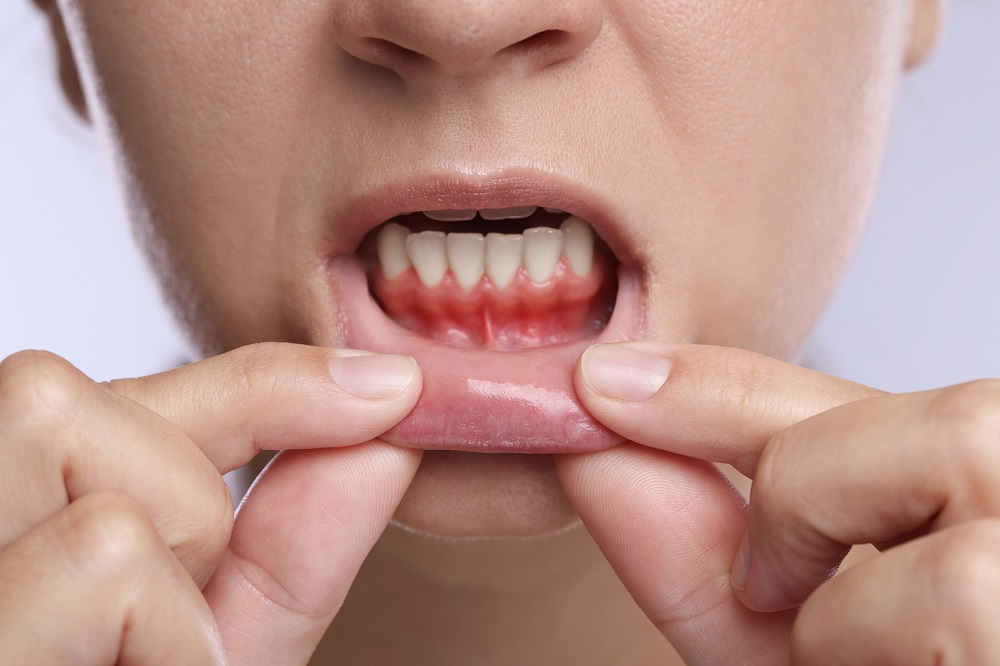
Healthy gums do far more than frame the teeth. They create the seal that protects the bone underneath, help distribute chewing forces, and act as the first barrier against the bacterial load that builds in the mouth every day. When that seal breaks down, the trouble often begins quietly. Gums may bleed a little during brushing, breath may worsen, or teeth may start to look longer as the tissue recedes. Underneath those early signs, periodontal pockets can deepen, plaque hardens into calculus, and the supporting structures of the teeth begin to weaken.
That is where Periodontal Treatment becomes essential. The goal is not simply to “clean the gums.” It is to reduce infection, shrink or stabilize periodontal pockets, and preserve the attachment between the teeth, gums, and bone. In practice, this work is part biology, part technique, and part patient follow-through. Pocket reduction is rarely achieved by one dramatic intervention. More often, it is the result of careful diagnosis, precise treatment, and months of consistent healing.
What periodontal pockets actually mean
A healthy gumline fits around the tooth like a snug cuff. In most healthy mouths, the small natural crevice between tooth and gum measures roughly 1 to 3 millimeters. That shallow space can usually be kept clean with ordinary brushing and interdental cleaning. Once inflammation develops, the tissue swells and the attachment can begin to loosen. The crevice deepens into a periodontal pocket.
A deeper pocket matters because it becomes harder to clean and easier for anaerobic bacteria to thrive. A 4 millimeter site may still be manageable in some patients if inflammation is minimal and home care is excellent. A 5 to 6 millimeter pocket is more concerning, especially if it bleeds on probing. At that depth, bacteria and deposits can persist well below the gumline. Once pockets become even deeper, access worsens, tissue inflammation tends to persist, and bone loss is more likely to progress.
Not every deep reading means the same thing. Sometimes swollen gums create “pseudo-pockets,” where the tissue is enlarged but the underlying attachment has not been lost to the same degree. In other cases, a narrow deep defect around one tooth may reflect root anatomy, an overhanging restoration, trauma, or a vertical bone defect. That nuance matters. Good periodontal care does not treat numbers in isolation. It interprets those numbers in the context of bleeding, recession, bone levels, mobility, bite forces, and the patient’s medical history.
Why pocket reduction matters beyond the gumline
Patients often ask whether pockets can simply be “watched.” Sometimes a mildly increased pocket in a well-maintained mouth can be monitored. But pockets that bleed repeatedly, hold calculus, or show active breakdown are not harmless. Chronic periodontal infection is destructive at the local level first. Bone support diminishes, roots become exposed, and teeth may shift. Food begins to trap more easily. Chewing can become uncomfortable. The smile changes slowly enough that many people do not notice until photographs from a few years earlier tell a different story.
Pocket reduction also matters for maintenance. It is much easier for a patient, and for a hygienist or periodontist, to keep a 3 millimeter sulcus stable than to manage a 7 millimeter pocket that harbors tenacious deposits. Treatment aims to return the environment to something that can be maintained. That is a practical endpoint, not just a clinical ideal.
There is also a broader health context, though it should be discussed carefully. Gum disease has recognized associations with conditions such as diabetes and adverse cardiovascular patterns, but association is not the same as direct cause in every individual case. What is clear is that untreated periodontal inflammation increases the body’s inflammatory burden and that poorly controlled diabetes and periodontal disease can aggravate one another. In real practice, improving gum health often helps patients improve overall self-care as well.
How a clinician decides what kind of Periodontal Treatment is needed
A proper periodontal evaluation is more detailed than many patients expect. The gumline is measured around each tooth, usually at six points. Bleeding is recorded. Recession is noted. Furcation involvement, where bone loss reaches the area between the roots of a molar, is assessed because it changes the long-term outlook. Tooth mobility is checked. X-rays are reviewed to determine the pattern and extent of bone loss. Medical history matters too, especially diabetes, smoking, immune conditions, pregnancy, and medications that affect gums or healing.
This information helps distinguish gingivitis from periodontitis. Gingivitis involves inflammation without attachment loss. It can usually be reversed with professional cleaning and improved home care. Periodontitis involves true loss of the supporting attachment and bone. Once that support is lost, the aim is control and stabilization, with regeneration possible in selected sites but not as a blanket promise.
Severity also guides treatment. A patient with generalized 4 to 5 millimeter pockets and moderate bleeding may respond very well to non-surgical therapy. A patient with isolated 8 millimeter pockets behind the back molars, vertical defects, and furcation involvement may need surgical pocket reduction or regenerative procedures to create a maintainable result.
The first stage, controlling infection below the gumline
For most cases of periodontitis, the initial phase of Periodontal Treatment is non-surgical. This usually means scaling and root planing, often described as deep cleaning. That phrase is easy to understand, but it understates the precision involved. The task is to remove plaque, calculus, and contaminated surface material from root areas below the gumline while minimizing trauma to the tissue.
Local anesthetic is commonly used because properly treating deep inflamed pockets can be uncomfortable without it. The clinician works with ultrasonic instruments, hand curettes, or both. Ultrasonic tips are especially helpful for disrupting biofilm and flushing pockets. Hand instruments refine the work on the root surface and adapt to contours that machines cannot fully address. In experienced hands, the best results usually come from using both thoughtfully rather than treating them as competing methods.
This stage often takes more than one visit. A full mouth may be divided into quadrants or halves depending on the extent of disease, patient tolerance, and time needed for careful instrumentation. Patients are sometimes surprised that there can be tenderness for a few days afterward. That is common, especially if the tissue was significantly inflamed beforehand. Mild cold sensitivity can also occur as the gums tighten and swelling resolves, exposing more root surface than the patient had noticed before.
It is worth saying plainly that scaling and root planing is not just about scraping tartar. The biological target is the bacterial biofilm within the pocket. Calculus matters because it retains plaque and creates a rough surface, but the inflammatory driver is the living microbial community and the body’s response to it. When the bacterial burden is reduced, the gum tissue often shrinks, firms up, and reattaches to some extent. That healing is how pocket depths frequently drop after non-surgical care.
What pocket reduction looks like in real life
Patients often imagine pocket reduction as a procedure that mechanically “closes” the space. Sometimes surgery does reshape tissue and reduce pocket depth directly, but much of the early improvement comes from inflammation resolving. A 6 millimeter bleeding pocket can become a 4 millimeter stable site after thorough debridement and good home care because the swollen tissue contracts and the tissue tone improves.
That distinction matters because a reduced number on the probe is not always equivalent to full tissue regeneration. There are several ways a pocket can become shallower. The gum may tighten and sit closer to the tooth. The tissue may recede slightly, making the pocket measurement smaller while exposing more root surface. In favorable cases, some new attachment can form. The final result depends on the anatomy of the defect, the person’s immune response, and how well plaque control is maintained during healing.
Clinically, a useful result is a site that no longer bleeds, holds less plaque, and can be kept clean with routine maintenance. A patient does not need every tooth to measure exactly the same to be considered stable. What matters is whether the disease process is active or controlled.
When surgery becomes the better option
Non-surgical therapy is often effective, but it has limits. Deep narrow pockets, irregular root anatomy, and areas behind the molars can remain difficult to access. If a site still measures 6 millimeters or deeper with bleeding after initial therapy, surgical treatment may be recommended, especially when the area is not maintainable.
Periodontal surgery covers several different approaches. In pocket reduction surgery, also called flap surgery in many settings, the gum tissue is gently reflected to allow direct access to the root and bone. This makes it possible to remove deposits that cannot be reliably reached through the pocket alone. The surgeon may also reshape irregular tissue or bone contours that contribute to persistent pocketing.
Some defects are candidates for regenerative treatment rather than simple access surgery. If the bone loss pattern is contained in a way that can support regeneration, materials such as bone grafts, biologic mediators, or membranes may be used to encourage new supporting tissue to form. These procedures can be highly worthwhile in the right site, but they are not magic. Case selection is everything. A contained vertical defect in a motivated non-smoker has a different prognosis than a broad flat defect in a patient with poor plaque control.
https://josuebnfo563.scriblorax.com/posts/how-to-spot-gum-problems-before-you-need-periodontal-treatmentThere is often a trade-off between pocket elimination and esthetics. In the front of the mouth, aggressive pocket reduction may create recession and black triangles between teeth. In the back of the mouth, maintainability usually outweighs cosmetic concerns. Good periodontal care includes that conversation before treatment, not after.
The role of antibiotics and adjunctive therapies
Antibiotics can help in selected situations, but they are not a substitute for mechanical debridement. Biofilm is structured and protective. Without disrupting it physically, antibiotics alone often have limited value. In generalized aggressive patterns, acute periodontal infections, or certain high-risk patients, systemic antibiotics may be justified. In other cases, localized antimicrobial agents may be placed directly into persistent pockets.
Laser therapy is another area patients ask about frequently. Some clinicians use lasers as an adjunct to conventional treatment, and there may be benefits in specific protocols or for specific goals. Still, the core principles do not change. Accurate diagnosis, removal of deposits, reduction of bacterial load, and maintenance remain the foundation. Fancy equipment does not rescue incomplete instrumentation or poor home care.
Host modulation, including low-dose doxycycline in some protocols, has also been used to influence the inflammatory response. These strategies are more niche than routine, and their use depends on the patient profile and the treating clinician’s judgment. The best outcomes still come from disciplined basics applied well.
Healing after treatment, what patients should expect
After non-surgical Periodontal Treatment, bleeding often improves quickly, sometimes within a week or two, although full tissue maturation takes longer. Pocket reassessment is usually done after several weeks, often around four to eight depending on the case. If the tissue is still inflamed at that point, it may be difficult to tell whether the issue is residual calculus, persistent plaque accumulation, smoking-related delayed healing, systemic factors, or some combination of these.
Discomfort after deep cleaning tends to be manageable with standard pain relief, warm salt-water rinses if recommended, and temporary adjustments in diet. Surgical treatment involves a different recovery. Swelling, tenderness, and dietary changes are more noticeable. Sutures may remain for a week or two. Patients typically need careful instructions on brushing around the area while healing.
One common surprise is that the teeth can feel different even when treatment is going well. Less puffiness in the gums can make spaces seem larger. Exposed root surfaces can feel more temperature-sensitive. Some teeth may feel looser briefly because inflamed tissue had been masking the perception of mobility. These changes are not always signs of failure. Often they reflect the mouth settling into a healthier, less swollen state.
Home care is where long-term pocket control succeeds or fails
The best periodontal work in the chair can be undone by neglect at home. This is not meant as a lecture. It is simply the reality of a chronic biofilm-driven disease. Oral bacteria reform daily. If plaque is allowed to accumulate along the gumline and between the teeth, periodontal pockets are likely to remain inflamed or become active again.
Brushing technique matters more than brushing force. Many people scrub the visible surfaces of their teeth and miss the margin where gum and tooth meet. A soft-bristled brush or electric brush with small oscillating head can make a significant difference when used consistently. Interdental cleaning is non-negotiable for periodontal patients. Whether that means floss, interdental brushes, soft picks, or water flossing depends on the anatomy. Wider embrasures and recession often make interdental brushes more effective than floss alone.
Patients do best when the plan is realistic and tailored. Someone with tight contacts and minimal recession may manage beautifully with floss and an electric brush. Someone with bridgework, furcation involvement, or implant restorations may need proxy brushes, threaders, and more time. A generic hygiene lecture is rarely enough. Specific coaching on where plaque accumulates in that patient’s mouth is far more effective.
Risk factors that can keep pockets from improving
Not all persistent pockets reflect poor treatment. Some mouths are simply harder to stabilize because the risk factors are stacked. Smoking is one of the most important. Smokers often bleed less visibly, which can mask disease, but they also tend to heal less predictably and lose attachment faster. Quitting smoking can improve periodontal outcomes in a meaningful way, though the tissue response may still lag behind that of a never-smoker.
Diabetes, particularly if not well controlled, is another major factor. Elevated blood glucose affects inflammation and healing. Patients with high A1c levels often show more severe periodontal breakdown, and periodontal inflammation can make glucose control harder in return. Managing one helps the other.
Grinding and clenching do not cause periodontitis on their own, but excessive occlusal forces can worsen mobility and make already compromised teeth less comfortable. Poorly contoured crowns, open contacts that trap food, and defective fillings can create local plaque traps that need correction if treatment is going to hold. Occasionally, a tooth with a vertical root fracture or combined endodontic-periodontal lesion presents like stubborn gum disease when the real problem is more complex.
Maintenance is not optional care, it is the treatment plan
One of the most important mindset shifts for patients is understanding that active periodontal therapy is only the first phase. Periodontal maintenance is where stability is protected. Unlike a standard recall cleaning for a healthy mouth, periodontal maintenance is tailored to sites with a history of attachment loss. It typically includes updated measurements, targeted debridement of recurrent buildup, review of bleeding sites, and adjustment of home care.
For many patients, three-month intervals are appropriate at least initially. That timing is not arbitrary. Bacterial repopulation in susceptible pockets can occur well before six months, and waiting too long often allows inflammation to reestablish itself. Some stable low-risk patients can eventually extend visits, while others need close maintenance for years. The interval should be based on disease activity and risk, not habit.
A pattern I have seen repeatedly is that patients who feel better assume they no longer need maintenance. That is exactly when relapse becomes likely. Periodontal disease is often quiet when it returns. Teeth rarely loosen overnight. The warning signs are subtle until they are expensive.
What successful treatment really looks like
Success in Periodontal Treatment is not always dramatic, and it is not always cosmetic. Sometimes it means a patient who arrived with generalized bleeding, 5 to 7 millimeter pockets, and heavy subgingival calculus returns three months later with firm pink tissue, minimal bleeding, and mostly 3 to 4 millimeter stable readings. Sometimes it means saving a strategically important molar by reducing one deep distal pocket enough that the patient can keep it clean for another decade. Sometimes it means deciding that one tooth has a hopeless prognosis and removing it early protects the rest of the mouth.
The best outcomes usually share the same ingredients. Diagnosis is thorough. The treatment is well executed. The patient understands the chronic nature of the disease. Risk factors are addressed honestly. Maintenance is consistent. There is nothing glamorous about that formula, but it works.
Pocket reduction should never be treated as an isolated metric. The real aim is a mouth that is comfortable, functional, and maintainable. If gums stop bleeding, infection is controlled, bone loss is slowed or halted, and the patient can preserve their teeth with confidence, that is meaningful periodontal success. For many people, it also restores something less measurable but equally important: trust that their mouth can become healthy again with the right care and sustained attention.
Avra Dental
Address: 1708 S Victoria Ave B, Ventura, CA 93003
Phone number: (805) 941-1001
FAQ About Periodontal Treatment
Can a dentist get rid of periodontal disease?
A dentist or gum specialist (periodontist) cannot fully cure or reverse advanced periodontal disease (periodontitis), but they can successfully stop its progression and manage the infection.
Is periodontitis very serious?
Yes, periodontitis is a very serious, advanced form of gum disease that destroys the bone and tissues supporting your teeth.
How is stage 2 periodontal disease treated?
Stage 2 periodontal disease (early to moderate periodontitis) is primarily treated with non-surgical deep cleaning procedures like scaling and root planing to remove bacteria and tartar below the gumline.