10 Benefits of Dental Bonding for a More Confident You
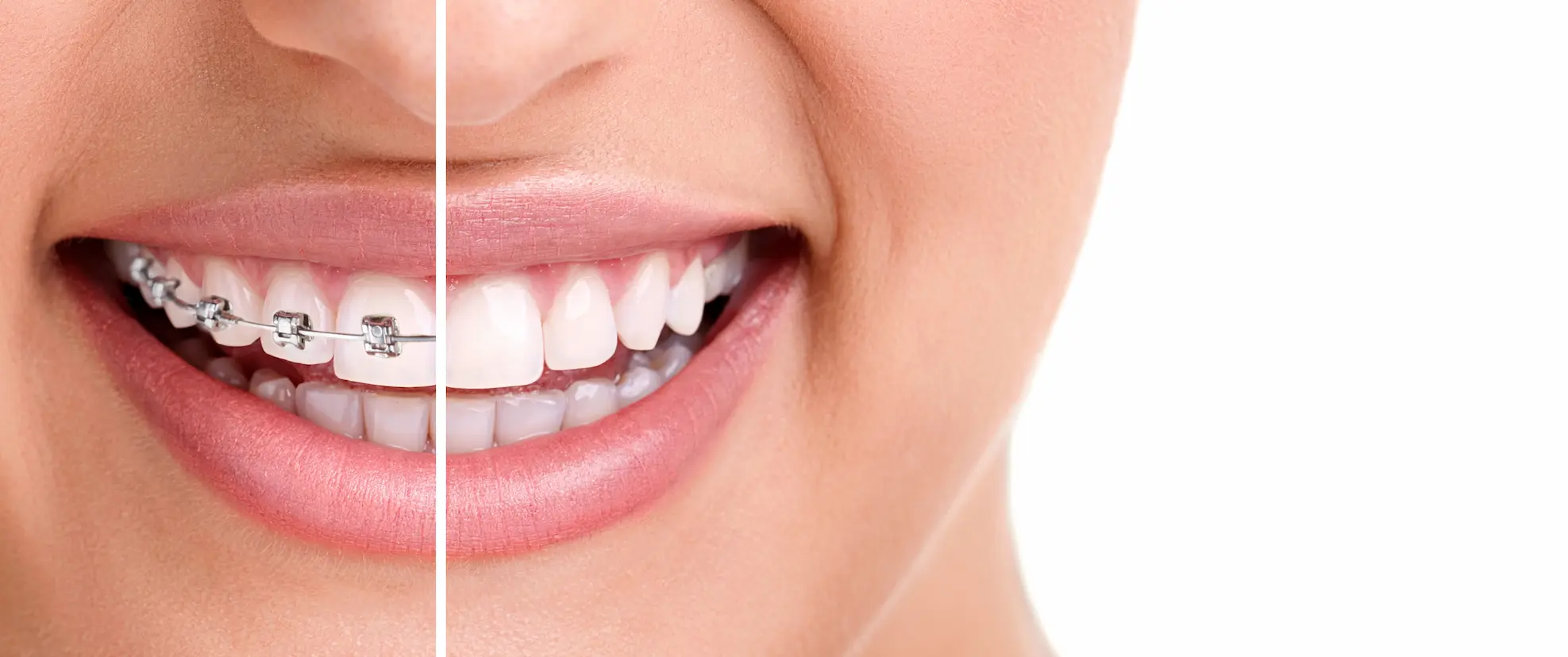
A confident smile rarely comes down to perfection. In practice, most people are not asking for movie star veneers or a dramatic makeover. They want one thing: to stop thinking about that chipped front tooth, that uneven edge, that small gap that draws their eye every time they see a photo. Dental Bonding often fits that need better than people expect.
Bonding is one of the most practical cosmetic treatments in modern dentistry. A tooth-colored resin is shaped directly onto the tooth, then hardened and polished so it blends in with the surrounding enamel. When it is done well, the change can look subtle enough that friends notice you seem fresher or more at ease, without realizing why.
The appeal is not only cosmetic. Bonding sits at the intersection of appearance, comfort, and conservation. It can improve how a tooth looks, protect exposed areas, and do it without pushing patients into a larger treatment plan than they need. For the right case, that matters.
Why Dental Bonding continues to be so popular
Some cosmetic procedures ask a lot from patients. They may require multiple appointments, temporary restorations, significant enamel removal, or a budget that makes people postpone treatment for years. Bonding is different. It is often the procedure people choose when they want a visible improvement without turning their life upside down.
It is also flexible. In one week, a dentist might use bonding to repair a chipped incisor for a teenager after a sports accident, smooth a worn canine in someone who grinds their teeth, close a tiny gap between front teeth, or reshape a peg lateral that always looked smaller than the neighboring tooth. Those are very different concerns, yet the same material can address them with careful planning and good technique.
That versatility is the reason so many patients leave surprised by the result. They expected a minor touch-up. What they feel instead is relief, because the feature that made them hide their smile is no longer the first thing they see.
A natural-looking improvement without major intervention
The first benefit is the most obvious one. Dental Bonding can make a tooth look significantly better while preserving its basic structure. That is a meaningful advantage.
Unlike full crowns, which usually require more reshaping of the tooth, bonding often demands very little removal of natural enamel, and sometimes none at all. For small chips, uneven edges, superficial discoloration, or minor shape discrepancies, that conservative approach is a strength. You are improving what is already there rather than replacing it.
That matters especially for younger patients. If someone in their twenties has a small cosmetic issue, it is often wise to start with the least invasive option that can produce a stable, attractive result. In many cases, bonding gives them years of improvement while keeping future options open.
A well-matched composite resin can mimic the light reflection and color of enamel surprisingly well. It is not identical to porcelain in every respect, but for modest corrections, it can be beautifully discreet.
A faster path to a better smile
One of the biggest reasons patients choose Dental Bonding is speed. Many cases can be completed in a single visit. There is no waiting for a laboratory, no temporary restoration, and no gap between deciding to improve your smile and actually seeing the result.
That immediacy has real emotional value. People often schedule bonding before weddings, job interviews, graduation photos, or other moments when they know their smile will be visible. A person who has spent years closing their lips in pictures can walk out the same afternoon smiling normally again.
From a clinical standpoint, speed does not mean careless work. Good bonding still requires shade selection, isolation, layering, contouring, and polishing. The appointment may be efficient, but the artistry is real. An experienced dentist will take time to shape the tooth so it looks balanced not only on its own, but also within the full smile line.
A more affordable cosmetic option
Cosmetic dentistry can be transformative, but cost often determines whether treatment happens now, later, or never. Bonding is usually one of the more accessible ways to improve the appearance of front teeth.
Fees vary by region, complexity, and the number of teeth involved, but bonding commonly costs less than porcelain veneers or crowns. That lower entry point is important for patients who want visible change without committing to a larger financial investment.
Affordability also changes the psychology of treatment. Someone might hesitate to spend several thousand dollars correcting a single chip or closing a tiny gap. Bonding makes those smaller fixes feel reasonable rather than indulgent. In many offices, it becomes the treatment patients wish they had asked about sooner.
There is a practical caveat here. Lower upfront cost does not automatically mean lower lifetime cost. Composite may need maintenance, polishing, or replacement sooner than porcelain in some cases. A professional recommendation should always weigh both the immediate budget and the long-term plan.
Excellent for small chips and worn edges
Not every dental flaw requires a large solution. Tiny defects can have an outsized effect on confidence, especially when they sit on a front tooth. A slight chip changes the way light hits the tooth. A worn edge can make teeth look older or uneven. Bonding is exceptionally good at these corrections.
This is one of the areas where the treatment often looks most impressive. A dentist can rebuild the edge of the tooth millimeter by millimeter, blending the material into the existing enamel and softening the transition so the repair disappears in ordinary conversation.
Patients often arrive saying, "It is small, but I see it every day." That is a fair concern. The mouth sits at the center of the face. Small asymmetries register quickly. Restoring a chipped corner or smoothing a flat edge can make the whole smile look healthier and more harmonious.
For people who grind or clench, worn edges may come back if the habit is not addressed. In those cases, bonding works best as part of a broader plan that may include a night guard and regular monitoring.
Useful for closing minor gaps
A small gap between teeth can be charming on one person and distracting on another. The issue is not the gap itself, but how the patient feels about it. When a space is narrow and the bite is otherwise favorable, bonding can often close or soften that gap without orthodontics.
This is especially appealing for adults who do not want braces or aligners for a limited cosmetic concern. Resin can be added to one or both teeth, widening them slightly so the space disappears or becomes much less noticeable.
The key word is minor. Bonding can close select gaps beautifully, but larger spaces may produce teeth that look too wide if you rely on composite alone. Good cosmetic dentistry is not about saying yes to every request. It is about choosing the method that creates a natural proportion. In some cases, short-term orthodontic movement followed by small bonding refinements gives the best result.
Still, when the case is right, few treatments deliver such a quick boost in confidence. A patient who spent years covering their mouth while laughing may stop doing it that same day.
A simple way to improve tooth shape and symmetry
Some teeth are healthy but not proportionate. One front tooth may be slightly shorter than the other. A lateral incisor may be naturally undersized. A canine may look too pointed. These are not disease problems, but they affect how balanced the smile appears. Bonding is often ideal here.
This benefit is easy to underestimate until you see how much shape influences perception. Symmetry does not require identical teeth, but it does require visual harmony. By adding small amounts of material in the right places, a dentist can create better length, width, and contour.
Patients sometimes think they need veneers to "fix the whole smile" when the real issue is one or two teeth pulling the eye off balance. Bonding can solve that more conservatively. In experienced hands, the goal is not to make every tooth look manufactured. It is to preserve character while reducing distractions.
That distinction matters. Overly uniform cosmetic work can flatten the personality of a smile. Good bonding improves proportion without making teeth look generic.
Minimal enamel removal in many cases
One of the strongest clinical advantages of Dental Bonding is how conservative it can be. Preserving healthy enamel is always worth taking seriously.
Natural tooth structure is valuable. Once removed, it does not grow back. Treatments that require aggressive reshaping may be appropriate in some situations, but when a patient can reach their goal with minimal alteration, that option deserves consideration.
Bonding often involves roughening the surface slightly so the material adheres well, but many cases require far less reduction than crowns or even some veneer preparations. For patients who feel uneasy about "drilling down" a healthy tooth simply for aesthetics, this can be reassuring.
Conservative treatment also leaves room for future decisions. A patient may choose bonding now and, years later, decide they want a different restoration. Starting with a minimally invasive option keeps those choices more open.
This is one reason many dentists view bonding as a thoughtful first step rather than a compromise. It allows change, but it respects what nature provided.
Often completed with little or no anesthesia
People are far more likely to seek cosmetic care when the process feels manageable. Bonding helps https://www.google.com/maps?cid=4239261703967231664 here too. Because many cases involve little to no drilling, anesthesia is often unnecessary, especially when the work is limited to the outer surface of the tooth.
For anxious patients, this is no small thing. The fear of needles, numbness, or prolonged appointments keeps many people away longer than the cosmetic issue itself. Knowing that the procedure may be comfortable and relatively straightforward lowers the barrier to treatment.
A typical appointment for minor bonding can feel surprisingly uneventful. The tooth is cleaned, prepared, bonded, shaped, cured with a light, and polished. Patients often finish the visit wondering why they delayed it.
Of course, comfort depends on the specific case. If bonding is being used near a cavity, fracture line, or sensitive exposed dentin, anesthesia may still be appropriate. A realistic discussion up front is better than promising a sensation-free experience to everyone.
Can protect exposed areas and reduce sensitivity
Although bonding is often discussed as a cosmetic service, it can offer functional benefits too. When root surfaces are exposed from gum recession, or when a tooth has small areas of wear near the gumline, composite can cover vulnerable spots and reduce sensitivity.
Patients frequently describe this kind of discomfort in simple terms: cold air catches on the tooth, cold water stings, brushing one area feels sharp. If the cause is suitable, bonding can create a protective layer over the exposed surface. The smile looks better, but just as important, the tooth often feels better.
This dual benefit is one reason the treatment has staying power. It is not purely decorative. It can solve a practical problem while improving appearance.
Still, the underlying cause matters. If recession stems from aggressive brushing, bite stress, or periodontal disease, those issues need attention as well. Bonding repairs the damage, but it does not erase the habits or conditions that caused it.
Easy to repair or modify over time
No cosmetic material lasts forever, and honesty about that is part of good treatment planning. Composite resin can stain, chip, or wear, especially in people who bite their nails, chew ice, grind their teeth, or drink coffee and red wine daily. Yet one of bonding's quiet advantages is that it is often easier to repair or adjust than more extensive restorations.
If a bonded edge chips, a dentist can frequently add material and reshape the area without replacing the entire restoration. If a contour needs refinement, polishing or minor recontouring may be enough. That flexibility is useful in real life, where teeth are exposed to years of pressure, habits, and changing bite patterns.
Patients appreciate this because maintenance feels less intimidating. A small issue does not always trigger a full restart. The material lends itself to touch-ups.
This does not mean bonding is maintenance-free. It does mean the treatment ages in a forgiving way when monitored properly. Regular cleanings and occasional polishing can help preserve its appearance.
A noticeable boost in self-confidence
The final benefit is the one that patients talk about most, even when they do not expect to. Dental Bonding can change the way people carry themselves.
Confidence is not a vague extra. It shows up in ordinary moments. Someone smiles without checking themselves first. They stop tilting their head to hide one side of their mouth on video calls. They speak in meetings without worrying that others are staring at a damaged tooth. Teenagers stop covering their mouth when they laugh. Adults return to photos instead of volunteering to take them.
These changes sound small until you see how often they shape behavior. A cosmetic concern at the center of the face can create a low-grade self-consciousness that follows a person all day. When the concern is corrected, people often describe feeling lighter, or simply more like themselves.
That is the real promise of bonding. Not perfection, not vanity, but ease.
When bonding is the right choice, and when it is not
Dental Bonding works best when expectations match the material and the case selection is sound. It is excellent for modest cosmetic improvements and select functional repairs. It is less ideal when discoloration is severe, bite forces are extreme, or the changes needed are too large to look natural with composite alone.
A dentist will usually consider several factors before recommending it:
- the size and location of the defect
- your bite and any grinding habits
- the shade and translucency of nearby teeth
- how much natural enamel is available for bonding
- whether a more durable option would serve you better long term
That judgment matters. For a small chip on a front tooth, bonding may be the obvious answer. For multiple heavily worn teeth, porcelain restorations or orthodontic treatment may be more stable. The best cosmetic result is not always the most aggressive one, and it is not always the least expensive either. It is the one that fits the mouth in front of you.
Getting the best result from your bonding
The quality of Dental Bonding depends heavily on technique and aftercare. Composite is sculpted by hand, so the dentist's eye for anatomy, color, and polish has a direct impact on how natural the tooth looks. If aesthetics are important to you, it is worth asking to see before-and-after examples of similar cases.
After treatment, daily habits make a difference. Bonded teeth can last for years, but they reward sensible care. A few habits help more than people realize:
- avoid chewing ice, pens, and fingernails
- use a night guard if you grind or clench
- limit staining drinks, or rinse after having them
- keep regular hygiene visits for polishing and checkups
The goal is not to baby the tooth. It is to respect that composite, while durable, is not identical to untouched enamel.
For the right patient, bonding occupies a rare sweet spot in dentistry. It is conservative, practical, and capable of genuine cosmetic impact. If a small flaw has been bothering you for years, it may be the simplest path to a smile that feels less edited and more natural, the kind that lets confidence show up without effort.
Toothworks of Bakersfield, Dentist and Orthodontist
Address: 1030 H St #1, Bakersfield, CA 93304
Phone number: +16613239421
FAQ About Dental Bonding
How long does dental bonding last?
Dental bonding typically lasts between 3 and 10 years (averaging about 5 to 8 years) before it needs a touch-up or replacement. Its lifespan depends heavily on your daily habits, where the bonding is placed in your mouth, and how well you care for your teeth.
How expensive is bonding a tooth?
Dental bonding typically costs between $100 and $600 per tooth, with a national average of about $431 per tooth.
What are the downsides of dental bonding?
Dental bonding has several drawbacks, including lower durability, a shorter lifespan, and a tendency to stain compared to alternatives like porcelain veneers.